
MSU-Meridian clinic expands trauma treatment with EMDR therapy, psychological assessment services
Contact: Marianne Todd
MERIDIAN, Miss.—A specialized and sought-after trauma therapy is now available through Mississippi State University-Meridian’s Mental and Behavioral Health Clinic.
Eye Movement Desensitization and Reprocessing, commonly known as EMDR, is an evidence-based psychotherapy designed to treat clients experiencing trauma-related symptoms.

Sarah Beth Cooper, a licensed counselor at the downtown Meridian clinic, who is currently working toward advanced EMDR certification, said the therapy works with the brain’s natural ability to process difficult experiences.
“Whenever there is a distressing or difficult experience in our life, our brain wants to heal and recover from it,” she said. “But overwhelming experiences, such as accidents, abuse or loss—or intense psychological situations like combat—can interfere with that process.”
This negative rewiring can produce an unwanted looping effect, creating negative belief systems and the physical and emotional sensations that trigger traumatic memories, Cooper said.
“EMDR therapy helps to reprocess that trauma where that individual got stuck in that trauma loop,” she said. “EMDR takes the client’s hand and guides it down the healing path.”
Unlike traditional talk therapy, EMDR uses bilateral stimulation by alternating sensory input that may involve guided eye movements, tapping or sounds delivered through headphones.
Patients often follow moving lights or hold handheld devices that alternate gentle pulses or listen to shifting sounds.
Cooper said this process allows patients to revisit distressing memories in a structured, safe and therapeutic setting, which reduces emotional intensity.
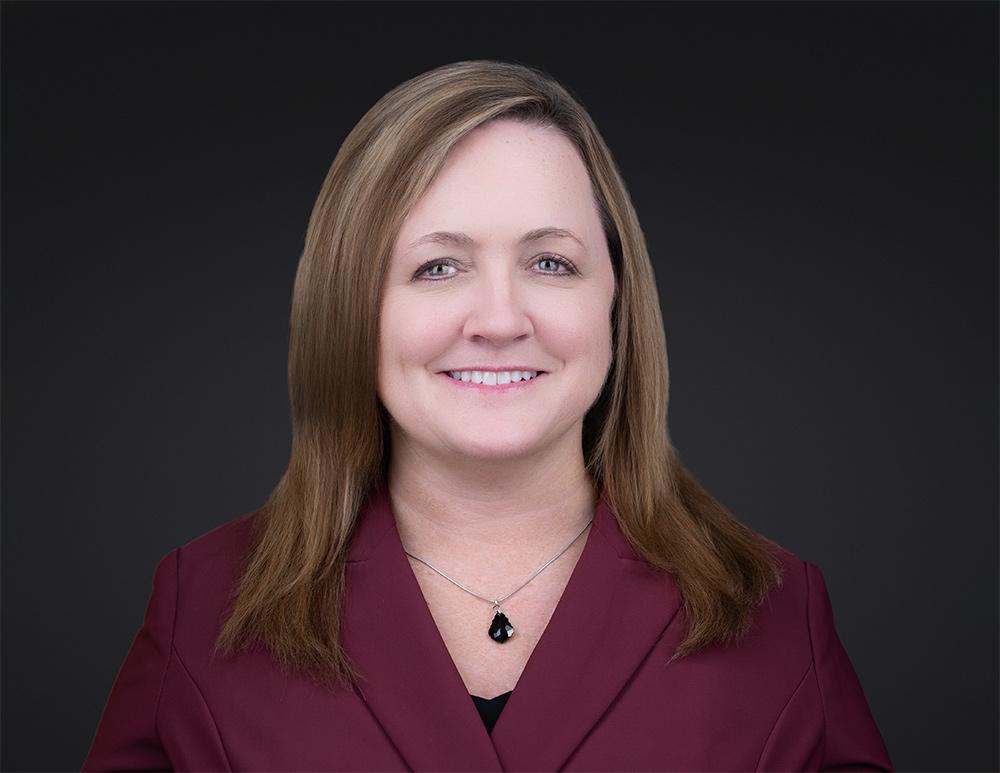
Patients follow several phases of treatment from intake to session preparation, coping skills development, strengthening healthier beliefs and ending with score assessment to determine treatment success. The treatment is applicable to both children and adults, she said.
The clinic also offers Trauma-Focused Cognitive Behavioral Therapy, or TF-CBT, another evidence-based approach developed primarily for children and adolescents.
Lesley Clack, MSU School of Health Professions dean who also has completed intensive EMDR training, said the demand for EMDR has grown significantly, and expanding the clinic’s therapeutic approaches allows clinicians to better respond to individual patient needs.
“No single therapeutic approach is appropriate for everyone,” Clack said. “Clinicians evaluate each patient’s circumstances before recommending treatment.”
To reach a broader scope of patients, the clinic has added psychological assessments to its list of services, and now accepts Medicare, Medicaid, most insurances and services based on a sliding fee scale for uninsured or underinsured clients, she said.
Clack said the expanded offerings reflect the clinic’s commitment to provide individualized, accessible mental health care, a goal of the university’s land-grant mission.
For Cooper, this individualized approach remains central to helping patients move beyond trauma and develop healthier ways of understanding their experiences.
“It’s such a rewarding experience,” Cooper said. “I always feel honored when people trust me with the worst thing that happened to them and to have a front row seat to their healing.”
The MSU-Meridian Mental and Behavioral Health Clinic is located on the third floor of the downtown Regions building at 2121 5th St.
Mississippi State University is taking care of what matters.